

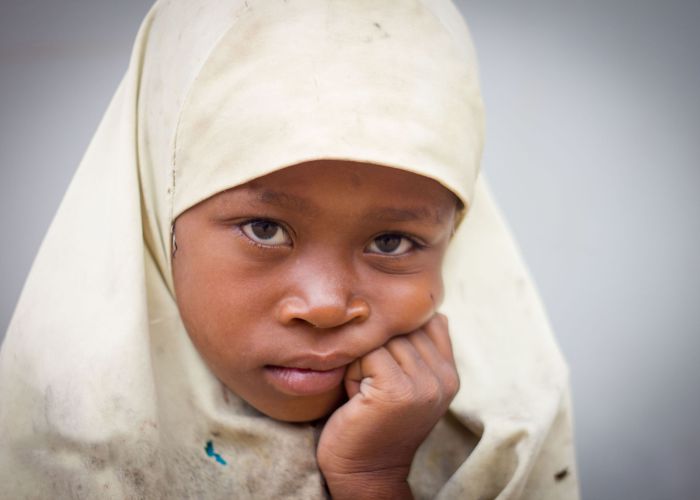
A generation at risk
(ECD, Family Wellbeing, Nutrition & Health)
Early childhood is the foundation of lifelong learning, health, and productivity.
During the first five years, the brain develops faster than at any other stage, making nutrition, stimulation, and responsive care-giving essential.
Yet many children in Zanzibar still enter pre-primary school without the health, nutrition, or developmental support they need to thrive.
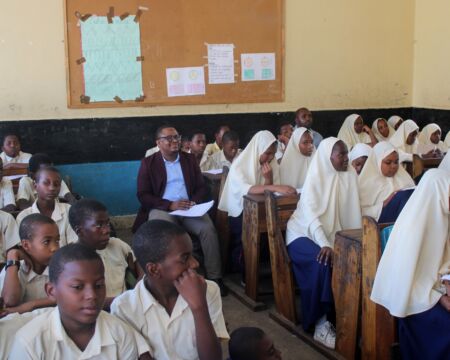
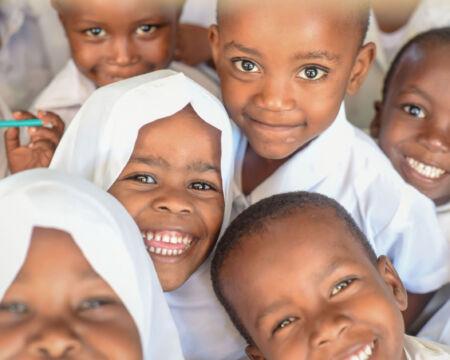
(Holistic Learning for All Learners)
The primary years form the bedrock of a child’s education journey. By age 10, children
must master foundational literacy and numeracy failure to do so locks them into learning
poverty with long-term consequences.
At the same time, children must also develop 21st- century skills such as creativity, collaboration, and problem-solving to prepare for a rapidly changing world.
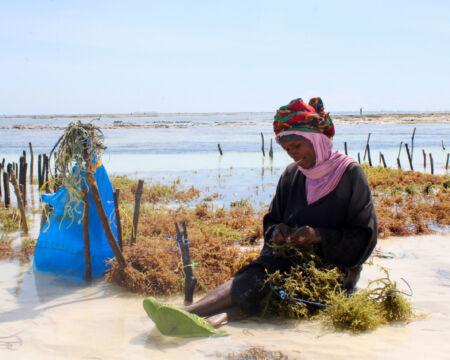
(Youth Economic Empowerment)
Adolescence and young adulthood mark the transition into livelihoods, leadership, and citizenship.
With youth representing the largest share of Zanzibar’s population, their empowerment is central to the nation’s future prosperity. Yet too many young people face barriers of unemployment, underemployment, and limited opportunities in emerging sectors.
Following the capacity building of the Shehia Advisory Committee, our community has progressed in service provision by building a Health Centre, renovating classrooms and digging a well.
I have trained about 140 here in Tumbe, about 30 in Msuka, 30 in Shumba Mjini, four in Kojani and four in Chwaleq. I am very grateful to MZF because their support has enabled us to adopt best farming practices and as a result, we produce and sell more.
We use local materials that are from Zanzibar including seaweed, cloves, and aloe vera. So far, the centre has 25 members, two of whom are men. It also acts as a training point and since the inception we have trained about 265 people. On average, I earn about Tsh350,000 per month, an amount that goes a long way to sustain my family of three children.
We used to buy a 20-litre water container for Tsh300 and sometimes I needed up to 300 litres in a day, like when we needed to wash our clothes. That would mean spending up to Tsh9,000, an amount that was too huge for our kind of modest family income. This challenge was taking a toll on our lives.
I was pregnant, then one day, I felt labor pains and my helpers and I trekked to where a boat was stationed. Unfortunately, by using the sea ambulance speed boat donated by MZF, I gave birth while I was being ferried to Wete District hospital. Now both the child and I are doing well after receiving treatment.
The training has built our ability to support pupils in the best way to learn and think, this is different from the past when we could not make use of the local materials for teaching. With the new ways of teaching, even the pupils’ performance has increased.
I was very happy to receive a free school bag with which I could carry 7 exercise books. The bag motivated me to start attending classes regularly and my marks improved. For example, this year I am among the Top 10 pupils in my class. I am very thankful to MZF.
I was excited to get the opportunity to work in health services provisions for women and children at the centre. I also liked the experience of working in rural areas to interact with community members to address public health challenges. I would like to advise Milele Zanzibar Foundation to continue with the programme and increase the programme period which is currently three months only.
With improved health services following the renovations and setting up of facilities supported by Milele, more women are now receiving maternal services at the facilities. This is something which had not been seen before, because in this village many women used to deliver at home.
We thank MZF for the support as they have renovated water supply systems, painted the building and repaired toilets; for example, pit latrines for persons with disabilities that had not been working are now in a very good condition.

“Through participatory development, we have made significant strides securing a quality Level 3 health center, building two new classrooms for early childhood education, and launching initiatives to improve access to clean water and electricity. This progress reflects our strong commitment to sustainable community development.”
“The skills and knowledge I’ve gained in organic farming have given me the confidence to experiment and improve my yields. On my one-acre farm, I’ve planted maize using Mchaichai (lemongrass) compost and the ‘Vuruga’ organic biocide, and I expect to harvest in 90 days. I hope Milele’s training continues to empower more farmers to adopt sustainable practices.”
“Adding value to seaweed has transformed our livelihoods we now earn three to four times more than we did from raw seaweed. With Milele’s training, our cooperative, Ukweli ni Njia Safi, has grown into a fully integrated operation where we store, dry, process, and sell in one place. By producing seaweed-based beauty products, we are increasing our income and improving the well-being of our families and children.”
“We came to thank Milele Zanzibar Foundation for empowering us to grow and to empower others. Our nursery and demonstration farm are thriving, and we’ve expanded our reach to train over 20 groups across Zanzibar and Tanzania Mainland. With increased production and income, organic farming has become both our business and a pathway to healthier communities.”
“The Mzazi Makini App helps us register and closely support pregnant women, ensuring they receive timely care and vital information for a safe and healthy delivery. It also allows us to monitor challenges and guide mothers throughout their pregnancy. I encourage all expectant mothers to visit health facilities early and register these services are free and essential for the well-being of both mother and child.”
“Through the Mzazi Makini App, I was able to recognize warning signs during my pregnancy. The messages guided me to return to the hospital, where I received the care, I needed. Today, I have safely delivered my baby, and I am truly grateful.”
MZF is aligned with SDGs below
Volunteer TO
Our Community
Would you like to gift for charity, humanitarian aid, or to benefit a cause? Be part of our work by contributing with donations or by volunteering your time and expertise to our community.

GET IN TOUCH
We’d Love To Hear From You!
Feel free to send us any questions you may have. We are happy to answer them.
© Copyright 2022 Milele Zanzibar Foundation | Designed by Choum Technologies